

How to Track Foot Traffic, Sales, and Engagement at Your Garden Center
Garden center marketing metrics are often overwhelming. Many owners and managers fall into the trap of tracking every number available or focusing on ones that look good but do little to influence sales. A spike in likes on a Facebook post or a sudden surge in email opens might feel encouraging, but without tying those numbers to actual customer behavior and revenue, they become little more than noise.
The truth is, focusing on the right numbers not only saves time but also strengthens your decision-making. By identifying the metrics that connect directly to growth—like customer foot traffic, sales linked to promotions, and digital content that drives purchases—you set your garden center up for sustainable success.
In this guide, we’ll walk through the key metrics that matter most for independent garden centers, how to track them without getting lost in spreadsheets, and how to use them to make smarter, more confident business decisions.
Why Tracking the Right Metrics Matters
Tracking numbers is easy. Tracking the right numbers is harder. Too many garden centers spend hours compiling reports full of vanity metrics that don’t connect to revenue. Social media likes, for example, might feel like validation, but unless those interactions lead to increased store visits or purchases, they remain surface-level engagement.
The real benefit comes when you track metrics that show a cause-and-effect relationship. If a customer clicks on your newsletter promotion and then walks into your store to buy perennials that weekend, that’s data you can act on. By narrowing your focus to actionable data, you stop guessing and start investing time and money in strategies proven to work.
Think of metrics as your garden’s soil test. You wouldn’t plant without knowing whether the soil can support growth. Similarly, you shouldn’t market without understanding what actually drives customers through your doors.

Foot Traffic & In-Store Engagement
Foot traffic is one of the clearest indicators of how well your marketing is working. If your promotional email promises a one-day sale on hanging baskets, you should see an uptick in store visits that day. Tracking those visits lets you know whether your message resonated.
There are several ways to measure foot traffic effectively:
- Click-to-brick tracking: Include trackable links in your emails or social posts that customers use to redeem offers in-store.
- Sign-up sheets: During workshops or events, ask attendees how they heard about it.
- Loyalty programs: A digital punch card or rewards program can tie store visits back to campaigns.
- POS reporting: Most point-of-sale systems can show sales by time and date, helping you connect purchases to specific marketing efforts.
Why does this matter? Because every marketing campaign should answer the question: did it bring people in? Without this insight, you risk spending money on promotions that don’t actually move customers from scrolling online to walking into your store.
Section 3: Sales Conversion Metrics
Foot traffic is only half the story. A busy garden center that doesn’t convert browsers into buyers is like a lush greenhouse with no harvest. This is where sales conversion metrics come into play.
You’ll want to track:
- Promotion effectiveness: Which offers or discounts lead to actual purchases? Did your “Buy Two, Get One Free” sale outperform last month’s 20% off?
- Average purchase per visit: If customers are spending more per visit, your upselling and merchandising strategies are working.
- Seasonal sales patterns: Do specific campaigns drive higher sales in spring versus fall? Recognizing patterns lets you time promotions for maximum impact.
Connecting marketing actions to sales gives you the clearest picture of what’s worth repeating. For example, if an Instagram ad for fall mums resulted in a 15% sales increase compared to the same week last year, you have data that validates both your ad spend and your timing.
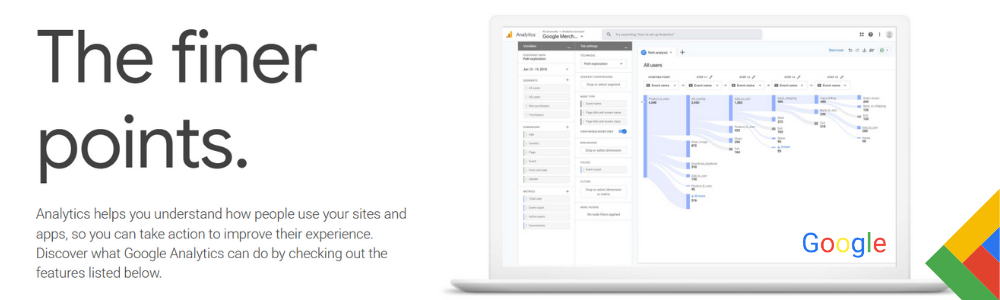
Image Credit: www.marketingplatform.google.com/about/analytics/features/
Digital Engagement that Drives Real Results
In the digital age, it’s tempting to chase likes, shares, and comments. While those can be encouraging, they don’t always translate to sales. Instead, focus on digital engagement that shows intent.
Metrics worth tracking include:
- Website visits from campaigns: Did your email drive readers to your seasonal planting guide?
- Blog performance: Which articles actually inspire customers to shop? For example, a blog on pollinator-friendly perennials might correlate with increased perennial sales.
- Email clicks: Opens are nice, but clicks reveal genuine interest. If a customer clicks “Shop Now” on your hydrangea promotion, that’s an indicator of buying intent.
Simple tools can make this easy. Google Analytics can track which website pages convert to in-store visits. Social media platforms provide insight into which posts drive clicks. Email software reports on clicks versus opens. Together, these give you a clear map of what digital actions are nudging customers toward purchases.

Staff & Customer Experience Metrics
Data doesn’t stop with digital tools. Some of the most valuable insights come from your staff and customers directly.
- Customer feedback: Short surveys or comment cards reveal what customers value and what frustrates them.
- Repeat visits: Track how often loyalty program members or workshop attendees return.
- Employee engagement: Happy, motivated employees create better customer experiences, which often translate into higher sales.
When you track these softer metrics, you build a clearer picture of why customers choose your garden center over competitors. A team member who consistently receives positive feedback is an asset worth investing in. A loyal customer who attends three workshops a year and shops every spring represents a revenue stream you can count on.
Making Metrics Work for You
The hardest part of tracking is not the data itself but the discipline to use it. The goal isn’t to build a 20-page report every week. Instead, focus on 3–5 core metrics that directly tie to your business goals. For most garden centers, that will be:
- Foot traffic tied to campaigns
- Sales conversion rates
- Digital engagement that shows intent
- Customer feedback and repeat visits
Set a simple reporting rhythm. Weekly snapshots keep you nimble, while monthly reviews give you the bigger picture. Share key findings with your staff so they see how their efforts connect to results. Train them to notice customer cues—like someone mentioning they saw an email or Instagram post—so these insights don’t get lost.
Most importantly, avoid overwhelm. Just as you wouldn’t fertilize with every product on the shelf, don’t try to measure every possible number. Choose the ones that matter most and stick with them.
When garden centers cut through the noise and focus on the right numbers, they stop guessing and start growing with intention. Metrics like foot traffic, sales conversions, and meaningful digital engagement shine a light on what’s working and what’s not. Add in customer and staff insights, and you’ll have a complete picture of how your business is performing.
If you’re ready to make sense of your numbers, our Analytics Reporting and Training services can help you turn raw data into clear strategies for growth. With the right garden center marketing metrics in place, you’ll be equipped to make smarter decisions, strengthen customer loyalty, and grow stronger season after season.