
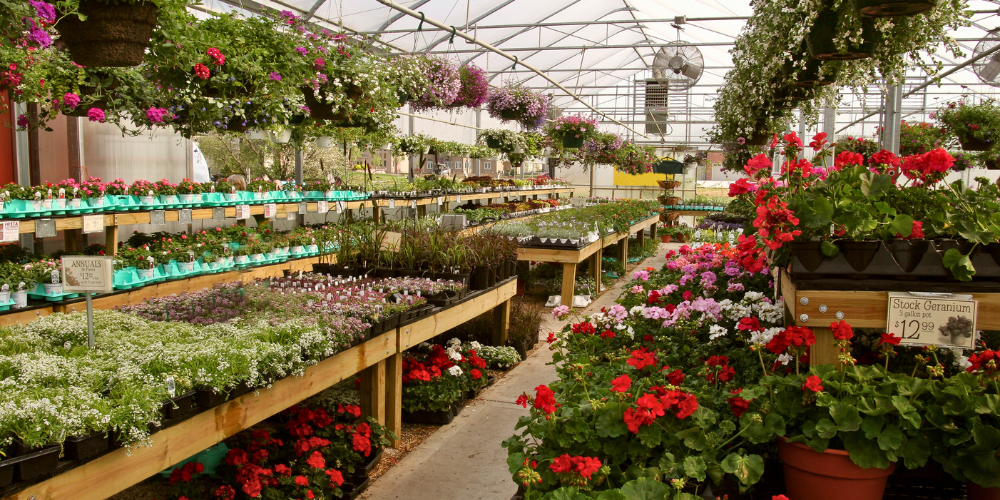
What Will Actually Drive Customer Buying Decisions
Garden center trends 2026 conversations are everywhere right now, and for many owners and managers, they feel exhausting. Every season brings another list of ideas, aesthetics, and must-have products that promise to be “the next big thing.” The reality is that most independent garden centers do not have the margin or manpower to chase everything, nor should they.
What matters heading into 2026 is understanding which shifts are actually influencing customer behavior. These are the trends showing up consistently in purchasing patterns, online searches, and in-store conversations. This is not about reinvention. It is about focus. Planning ahead with confidence allows you to align inventory, merchandising, and marketing so they work together instead of competing for attention.
How to Read These Trends (and Why They Matter)
The trends below are not about style for style’s sake. They connect directly to how customers decide what to buy, where to shop, and who they trust for guidance. Customers are researching more before they arrive. They are influenced by what they see on social media and what appears in search results. When what they find online matches what they see on your benches, the buying decision becomes much easier.
This is where content strategy, SEO optimization, and social media strategy support sales rather than feeling like extra tasks. If you want context on how these trends have evolved year over year, it helps to look back at what shaped customer demand recently. The shifts outlined in Gardening Trends 2025 provide a useful baseline for understanding how quickly certain expectations moved from emerging to standard.
Trend 1: Purposeful, Eco Conscious Design That Sells
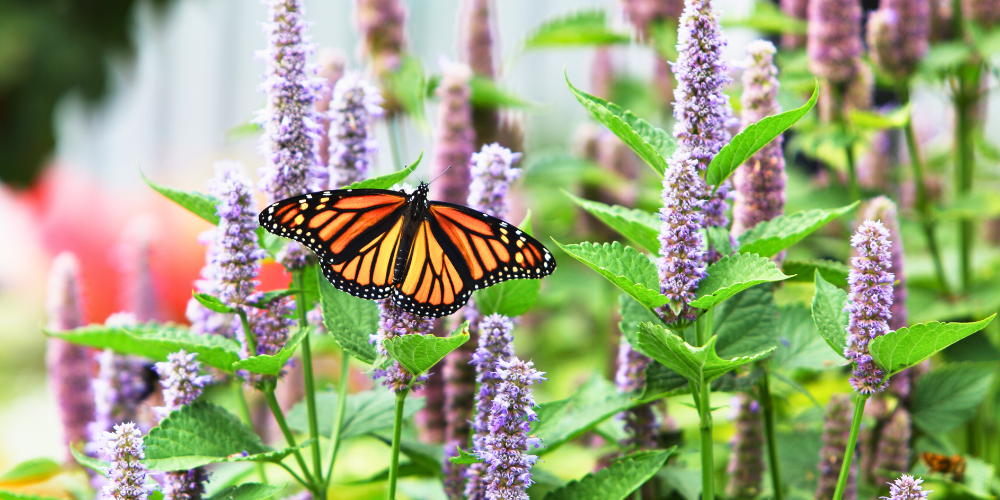
Customers are choosing gardens that look good and serve a purpose. Visual appeal still matters, but it is now paired with function. Plants that support pollinators, reduce water use, or require less ongoing care are easier for customers to justify and easier for staff to sell.
Pollinator friendly plants and native species continue to gain momentum, not as niche products but as everyday choices. Water wise and drought tolerant plants are especially appealing in regions facing unpredictable weather. Low maintenance messaging consistently resonates, particularly with newer gardeners and time-constrained households.
From a planning standpoint, this affects more than plant selection. It influences how plants are grouped, how signage is written, and how benefits are communicated both in store and online. Educational content that explains why these plants matter helps customers feel confident and positions your garden center as a trusted guide.
Trend 2: Native Plants and Pollinators Go Mainstream
Native plants have crossed into mainstream expectations. Many customers now assume their local garden center will carry regionally appropriate natives and provide guidance on how to use them successfully. Simply labeling a plant as native is no longer enough.
Customers want clarity. They want to know where a plant fits, what it supports, and how it behaves long term. This opens the door for simple education through blog posts, short videos, and social captions that explain benefits without overwhelming detail.
From a marketing perspective, native plants are closely tied to local search behavior. SEO optimization that supports searches for native plants, pollinator gardens, and region-specific recommendations helps your content show up at the exact moment customers are looking for answers.
Trend 3: Gardens as Living Space, Not Just Landscapes
Gardens are increasingly used as extensions of the home. Customers are designing outdoor spaces for sitting, eating, relaxing, and spending time together. This shift toward patio culture changes how people shop and what they expect to see when they walk through your store.
Layered container plantings are a big part of this trend. Customers want combinations that feel intentional rather than improvised. Garden art and decorative elements add personality and help spaces feel finished.
For merchandising, this creates strong cross selling opportunities. When plants, containers, décor, and furniture are displayed together, customers can visualize how everything works as a whole. This also translates well to social media, where lifestyle driven content tends to outperform isolated product posts.
Trend 4: Richer Color and Texture Are Back
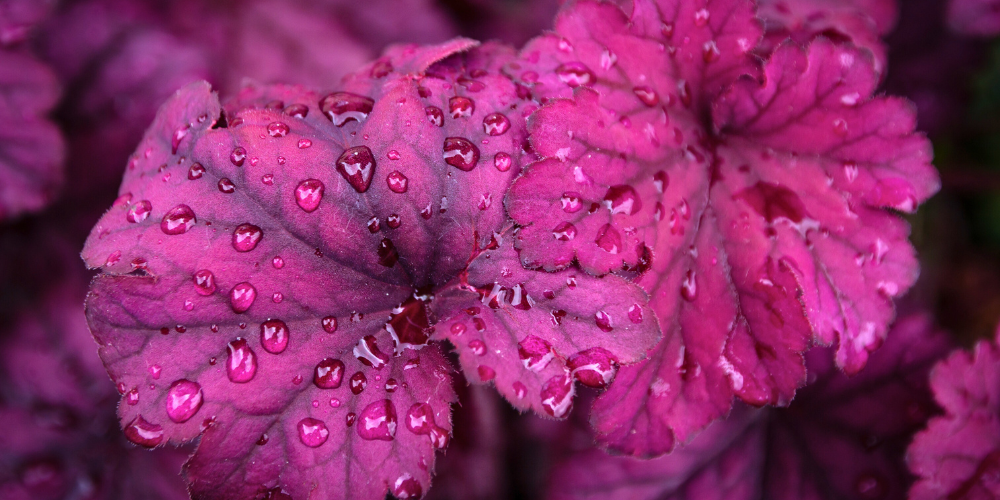
After several seasons of muted palettes, richer colors are returning. Burgundy, plum, and deeper greens are showing up more frequently, paired with texture from ferns, ornamental grasses, and fuller planting styles. Cottage style plants and old-school favorites are gaining renewed interest, bringing warmth and familiarity to displays.
These combinations perform well visually, which matters in a social-first environment. High contrast, texture, and depth capture attention in photos and short videos. Displays that lean into this trend tend to stop customers in their tracks, both in store and online.
Trend 5: Food Gardening That Fits Smaller Spaces
Growing food remains popular, but the emphasis has shifted toward what fits into everyday life. Customers are gravitating toward herbs, tomatoes, and berries that work in containers, raised beds, and compact spaces. Small fruit trees are also gaining interest, especially when positioned as long term investments that do not require large yards.
Clear guidance is critical here. Simple seasonal content that explains what to plant, when to plant it, and how to maintain it encourages repeat visits. Food gardening often brings customers back multiple times in a season, making it a strong loyalty driver when supported with helpful content.
Trend 6: Houseplants as Everyday Wellness
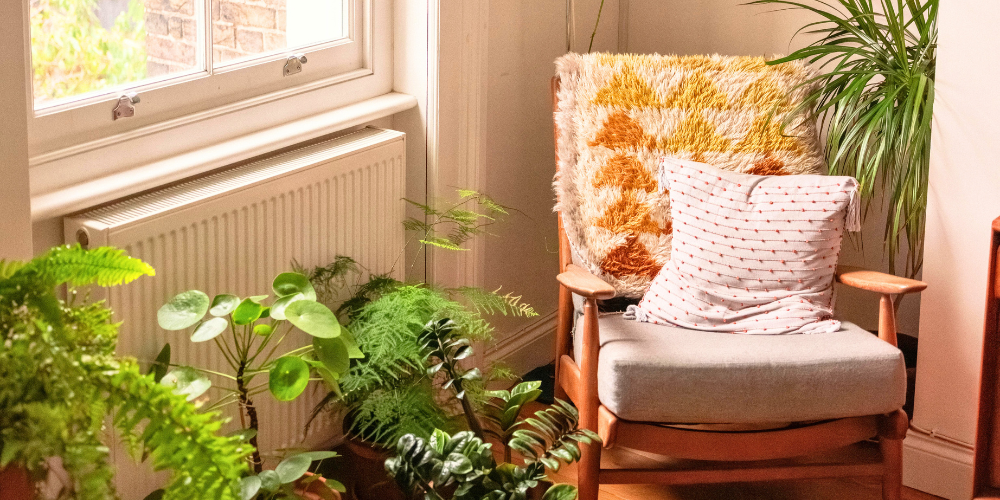
Houseplants continue to be popular, but the focus has shifted away from rare or difficult varieties. Customers are more interested in everyday greenery that supports comfort, routine, and mental well being. Easy care houseplants that fit into daily life are winning out over collection driven trends.
This shift favors steady, consistent content rather than hype. Care tips, placement ideas, and simple routines build trust and keep houseplants relevant year round. From a marketing standpoint, consistency outperforms spikes of attention followed by silence.
Trend 7: Low Maintenance Wins Loyalty
Low maintenance is not a trend that fades. It is a core expectation. Customers want fewer things to babysit and clearer care instructions. Plants and products that reduce friction create better experiences for both shoppers and staff.
Clear care messaging improves in store conversations and reduces returns. When customers understand what they are buying and why it works for them, satisfaction increases. This directly impacts loyalty and word of mouth.

Trend 8: Tech, Data, and Smarter Recommendations
Technology is becoming a natural part of gardening, but it does not need to be complicated. Interest in high tech gardening tools continues to grow, especially products that simplify tasks or improve outcomes. At the same time, data is shaping how garden centers decide what to promote and when.
AI content helps deliver timely, relevant recommendations, while SEO optimization ensures that information is easy to find. Social media strategy ties it together by showing how products fit into real life. For teams looking to support these efforts internally, understanding how to train digital marketing staff becomes increasingly important as marketing and merchandising become more connected.
Turning Trends Into a Clear Plan
Trends only matter if they lead to action. A clear framework helps keep decisions grounded.
-Stock more of what supports purposeful design, low maintenance, and real life use.
-Talk consistently about these themes in content and social posts.
-Stop chasing ideas that stretch your team thin without supporting buying behavior.
If you are unsure where gaps exist, a structured garden center digital marketing review can help identify where inventory, content, and customer intent are misaligned.
Let’s Build Your 2026 Plan Together
You do not need to do everything to succeed in 2026. The strongest garden centers choose the trends that align with how customers actually buy and support them with a clear marketing plan. When inventory, content, and messaging work together, planning becomes simpler and confidence replaces guesswork. Reviewing your strategy through the lens of garden center trends 2026 helps ensure that what you stock and promote reflects real customer demand.
Contact us to align your inventory decisions with content strategy, AI content, SEO optimization, and social media strategy, and build a focused plan for 2026.