

What Garden Center Branding Really Means and Why It Matters for Brand Awareness for Garden Center Owners
Brand awareness for garden center owners often starts with a logo, but it does not end there. Most independent garden centers invested in professional branding years ago. The logo was designed, business cards were printed, signage went up, and the project felt complete.
Then the years passed…
The website evolved in pieces. Email marketing was added when time allowed. Seasonal promotions came and went. A new banner was printed for one location. Another store kept the older version. The Instagram feed adopted a different tone than the newsletter. None of these decisions felt major on their own. But together, they created a fragmented experience.
Branding is not a design project you finish once. It is the consistency customers experience across every touchpoint. Your storefront, your website, your emails, your in store signage, your event promotions. When those pieces feel connected, customers trust you. When they feel disconnected, trust quietly erodes.
Independent garden centers win on expertise, relationships, and experience. Branding either reinforces that strength or undermines it.

What Customers Really Notice
Owners often define branding by visual assets. Customers define it by experience.
A shopper drives past a beautiful storefront with fresh seasonal displays. They later visit the website and find outdated promotions from last fall. Something feels off. They may not articulate it, but they notice.
An email promotion announces a spring planter workshop. The colors and design look sleek and modern. In store, the signage for the same event uses different fonts, different wording, and slightly different pricing. Again, something feels inconsistent.
One location looks polished and well maintained. Another feels dated. The signage is older. The seasonal messaging is not aligned. The brand feels uneven.
Customers may not consciously identify these inconsistencies as branding issues. But they absolutely feel them. And when something feels misaligned, credibility drops. If your messaging is inconsistent, customers question which information is accurate. If your visuals shift from platform to platform, your business feels less established.
This is especially critical for independent garden centers competing against big box stores. You do not win on scale. You win on trust, expertise, and attention to detail. Inconsistent branding chips away at all three.
The Quiet Damage of Inconsistent Branding
Branding is directly tied to performance, even when it does not seem obvious.
Mismatched visuals reduce perceived professionalism. If your website looks modern but your email design feels outdated, customers question how current your information is. If signage in store looks temporary or inconsistent, promotions feel less credible.
Unclear messaging weakens promotions. If your email highlights a seasonal sale but the homepage does not reflect it, you lose conversions. Customers click through expecting reinforcement. Instead, they find something else.
Outdated web pages lower results in measurable ways. Search engines reward updated, relevant content. Customers respond to clear calls to action and consistent offers. If your website is not aligned with what is happening in store, you are missing traffic and sales. This is why structured garden center website maintenance should be part of your ongoing marketing plan, not an afterthought.
Inconsistent branding also makes independent garden centers appear smaller than they are. A business with multiple locations should feel cohesive and established. If each store looks and sounds different, you lose the advantage of scale.
You may never see a report that directly attributes lost revenue to branding inconsistency. But you will feel it in lower conversions, weaker promotions, and customers who hesitate.
Branding as an Operational System
Branding should function like inventory control or seasonal planning. It needs structure.
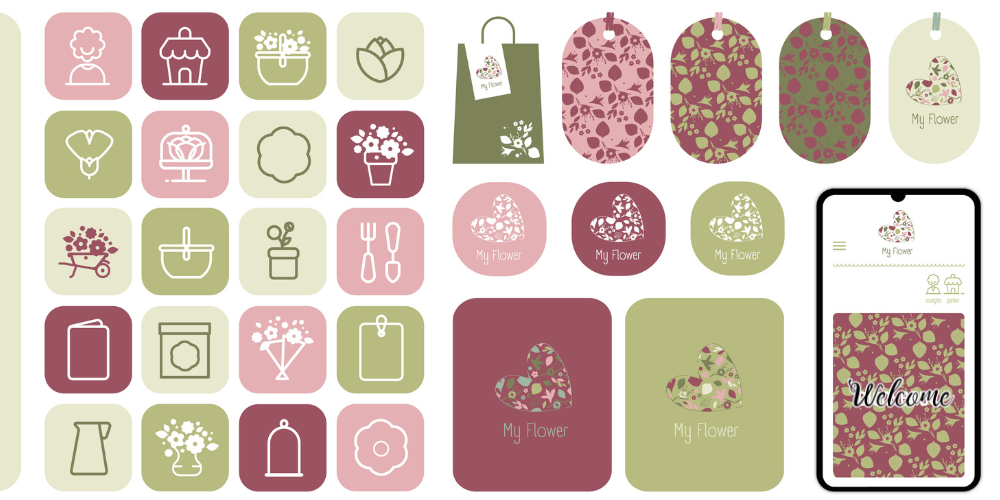
A real branding system includes defined visual standards. That means clear font choices, color usage, logo placement rules, and image styles for both digital and print. It ensures that an email header matches your website. It ensures signage feels connected to your online promotions.
It also includes a process.
Your website updates should be tied to promotional calendars. When a sale launches, the homepage changes. When a workshop fills up, the event page updates. When the season shifts, messaging evolves. This is not about redesigning your site every year. It is about maintaining consistency.
Email templates should align with in store campaigns. If you are investing in garden center email marketing, the design and tone should reflect your brand voice. Promotions should reinforce what customers will see when they walk through the doors. Consistency increases recognition and recognition builds trust.
Clear messaging guidelines matter just as much. How do you describe your expertise? How do you promote events? How do you position yourself against big box stores? When multiple team members create signage or emails without shared guidelines, inconsistency creeps in.
Branding systems simplify marketing. They give managers and marketing coordinators guardrails. They make it easier to execute campaigns quickly without reinventing the look and tone every time.

The Multi Location Challenge
Multi location operators face unique challenges.
One store updates signage regularly. Another waits until materials wear out. One manager writes promotional copy in a friendly, conversational tone. Another uses more formal language. Emails promote a weekend sale, but one location does not have the full inventory to support it.
Customers expect cohesion. If your brand spans multiple locations, it should feel unified. Shared templates are essential. Promotional language should be standardized. Visual standards should be distributed to every store.
Central oversight does not mean eliminating local personality. It means ensuring that personality lives within a consistent framework. Every location can highlight its own team, community events, or unique inventory. But the core branding should remain aligned.
Without structure, branding drifts. And over time, that drift becomes visible.
A Simple Brand Consistency Check
You do not need a full rebrand to improve consistency. Start with a quick audit.
Ask yourself:
- Does your homepage reflect what is happening in store this week?
- Do your email headers match your website look and tone?
- Are all locations using the same promotional language?
- Does your signage reflect your current season and offers?
- Are event promotions consistent across email, website, and in store materials?
If the answer to several of these is no, you have an opportunity.
Brand consistency is not about perfection. It is about alignment. When customers move from your website to your email to your store, the experience should feel seamless. The same tone. The same visuals. The same message.
Why Branding Is Always Visible
Branding is never neutral.
Every time a customer visits your website, opens an email, or walks through your doors, they are forming an impression. They are assessing professionalism, expertise, and reliability. Even if they cannot articulate it, they are deciding whether your business feels established and trustworthy.
Consistent branding reinforces trust. It signals that you pay attention to detail. It signals that your promotions are organized. It signals that your expertise extends beyond plants into the experience itself.
Inconsistent branding weakens that perception. It creates friction. It introduces doubt.
Independent garden centers thrive on long term relationships. Customers return season after season because they trust you. Your branding either strengthens that cycle or disrupts it.
Move From Logo Thinking to System Thinking
Brand awareness for garden center owners does not come from a logo sitting in a file. It comes from consistent experiences across your website, your emails, and your in store signage.
If your website has not been reviewed in years, if your email design feels disconnected from your store displays, or if your locations feel visually inconsistent, it may be time to move from logo thinking to system thinking.
A structured branding approach builds trust, strengthens reputation, and supports steady sales through every season. It ensures that when customers interact with your business, they experience clarity and confidence.
If you are ready to build a cohesive branding system that aligns your website, email marketing, and in store promotions, you can connect with our team here.
Consistent branding does more than look polished. It reinforces brand awareness for garden center owners, builds credibility against big box competitors, and quietly supports the conversions that keep your business thriving.