

And Why It Might Be Time to Freshen Yours Up!
Your Logo is More Than a Pretty Picture
When it comes to brand awareness for garden center owners, your logo is often the first and most lasting impression you make. It’s more than a decorative emblem or a simple design—it’s a visual handshake that introduces your business to customers before a single word is spoken. In the world of retail, your logo represents the promise behind your name, the values you uphold, and the experience people can expect when they walk through your doors.
Many independent garden centers have built decades of success through personal relationships, expert advice, and local reputation. But as consumer behavior shifts—especially among younger audiences—visual identity has become just as important as customer service. Today’s shoppers are influenced by strong, consistent branding that communicates trust, style, and relevance across every platform, from your storefront signage to your social media feed.
In this article, you’ll learn how to recognize when your logo needs a refresh, what elements define a great garden center logo, and how a thoughtful rebrand can strengthen your business long-term.

The Role of a Strong Logo in Garden Retail
A strong logo is more than a design asset—it’s a strategic tool that builds recognition, trust, and emotional connection. The best logos tell a story in seconds, reminding customers who you are and why they return. For garden centers, that story is often rooted in growth, care, and community. A well-crafted logo captures those qualities in a way that feels both professional and personal.
Big-box retailers and online garden supply brands have mastered this visual strategy. Their consistent use of logos, colors, and typography keeps them top-of-mind with customers who scroll past dozens of ads every day. Independent garden centers compete in the same space, which makes visual consistency crucial. Your logo should work as hard as your team does—catching attention on delivery trucks, plant tags, packaging, loyalty cards, and social media banners.
When done right, your logo becomes shorthand for everything your business represents: expertise, beauty, and a passion for helping things grow.
Signs it Might Be Time to Update Your Logo
Even the most established garden centers eventually outgrow their original look. A logo that once felt fresh may now feel outdated, inconsistent, or disconnected from where your business stands today. Here are some clear signs that it might be time for a refresh:
- It looks dated compared to competitors. Fonts, colors, and design styles evolve. What looked modern twenty years ago may now make your brand appear behind the times.
- It doesn’t translate well across digital platforms. If your logo is hard to read on a smartphone screen or social media profile, it’s time to rethink it.
- Customers confuse you with other businesses. Generic leaf or tree icons can make it hard to stand out in a crowded market.
- Your business has expanded. If you’ve grown from a local nursery into a full-service destination with landscaping, décor, or greenhouse operations, your old logo may not reflect that evolution.
- Your visuals no longer fit your personality. Maybe your business has a fresh, modern vibe, but your logo still feels rustic or overly traditional.
Consider two fictional examples. Garden Center A has used the same logo since 1989—hand-drawn script and a green oval badge. Garden Center B recently updated its logo to a clean wordmark with subtle botanical shapes and a modern font. Both centers offer quality plants and service, but Garden Center B instantly looks more current and appealing to new homeowners discovering them online. That’s the quiet power of good design—it shapes perception before anyone sets foot in your store.
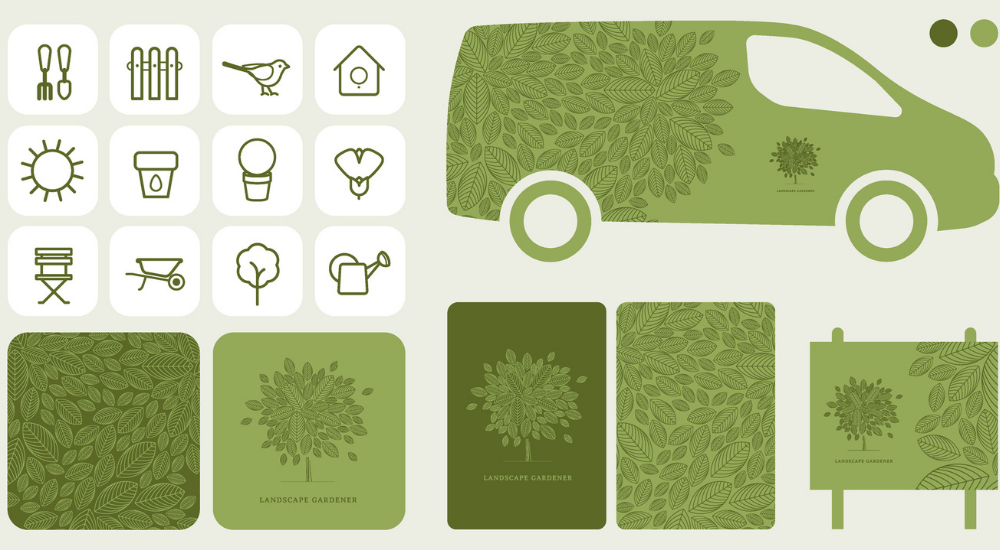
What Makes a Great Garden Center Logo
Designing a great logo means balancing artistry with function. A memorable garden center logo should embody your values, be easy to recognize, and stay relevant for years to come. Four principles stand out:
- Simplicity: A strong logo is clear and uncluttered. Avoid excessive detail or text that becomes unreadable at small sizes. Simplicity ensures your logo is recognizable whether it’s on a sign, shirt, or social post.
- Relevance: Your logo should reflect who you are and what you offer. A garden center rooted in sustainability might use modern greens and organic shapes, while one with a heritage focus might opt for classic typography and earthy tones.
- Versatility: From print to web to delivery vehicles, your logo must adapt seamlessly. It should look just as sharp on a plant tag as it does on your website header.
- Timelessness: Trends fade quickly. A great logo feels modern but not trendy—it stands the test of time, evolving gracefully as your brand grows.
For garden centers, natural imagery like leaves, petals, or sunbursts can be powerful if used thoughtfully. The trick is restraint. Modern logos lean on subtle symbolism and strong typography rather than literal illustrations. The goal is to suggest nature, not spell it out.
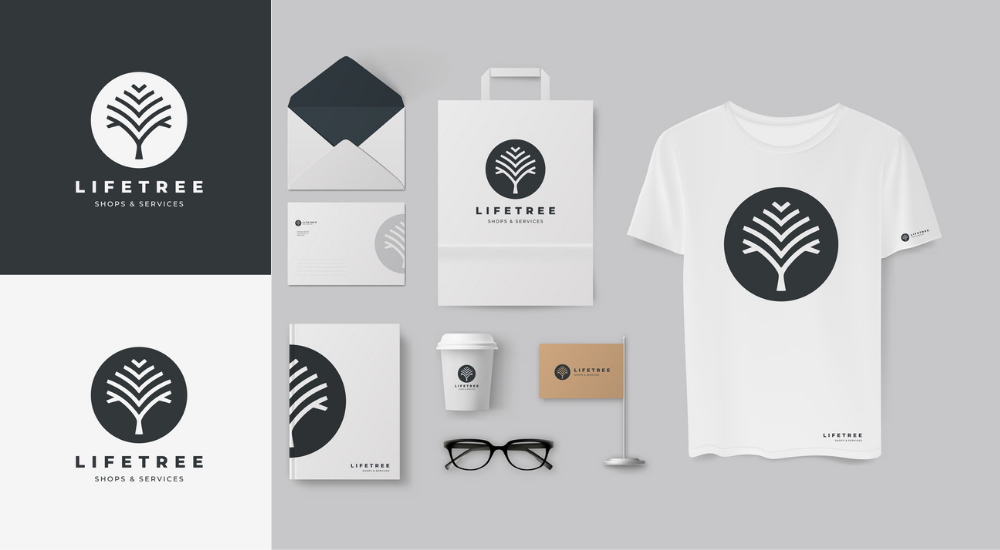
Beyond the Logo: Building a Cohesive Brand Identity
A logo is only one part of a complete brand identity. Think of it as the seed—it represents potential, but it needs consistent care to grow into something truly impactful. The rest of your identity includes colors, fonts, photography style, tone of voice, and the customer experience itself.
For example, your logo might feature soft greens and neutrals that convey calmness and expertise. Extending those tones across your website, uniforms, and store signage reinforces a unified look that customers remember. The way your team greets customers, the layout of your displays, and even the language you use online all contribute to your brand perception.
A cohesive identity doesn’t just look good—it builds trust. Customers are more likely to buy from a business that presents itself consistently across every touchpoint. That’s how small, independent centers can match the polish of larger competitors without losing their local charm.
If you’re looking for seasonal ways to connect your visuals to your campaigns, see our article on Fall Marketing Ideas for Garden Centers. It offers practical, low-cost ways to align your branding with timely promotions.
Strategic Takeaway: Think Long-Term, Not Just Design
A logo refresh should never be a quick fix or a vanity project. It’s a strategic decision that aligns your business with where it’s headed next. Before diving into redesigns, think about what your logo needs to communicate: Who is your audience? How have their expectations evolved? What message should your visuals send about your future?
Professional design isn’t just about making things look nice—it’s about solving problems. The right creative partner will help you identify opportunities, modernize your image, and ensure every visual element supports your broader business goals.
Branding is an investment in your reputation. When your logo aligns with your mission and market, every piece of communication—from signage to social ads—works harder for you.
For more guidance on aligning visuals with year-round outreach, check out Off-Season Garden Center Marketing Strategy. It explores how consistent branding keeps your business top-of-mind even when the busy season ends.
Growing Forward: Refresh Your Logo, Renew Your Brand
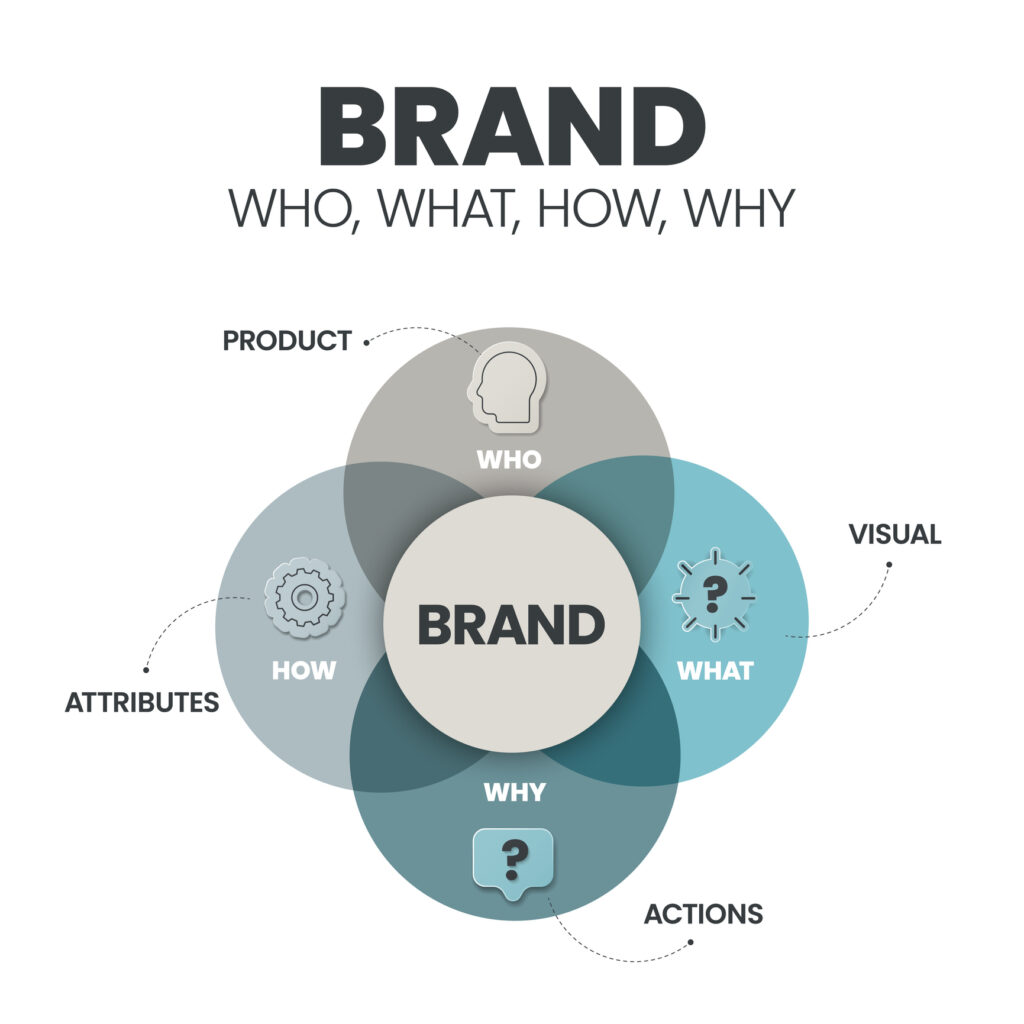
Your logo should evolve alongside your business. As your offerings, audience, and market shift, so should the way your brand presents itself. Think of your logo as the living face of your identity—one that deserves attention, refinement, and care.
If your current design no longer reflects who you are, this is the time to re-evaluate. Look at your visuals through a customer’s eyes. Does it feel fresh, professional, and memorable? Does it align with the level of service and expertise you provide? If not, it might be time to plant new creative roots.
At DIG, we help garden centers and landscape businesses strengthen their visual foundation through graphic design, brand identity, and strategic vision. Let’s start a conversation about where your brand can grow next—and how design can help you build brand awareness for garden center owners that lasts.