

How an outdated website quietly loses customers
Garden center website mistakes often go unnoticed because they feel small, but they add up quickly. Most customers land on your website with a specific question in mind. They want to know if you’re open, if you carry what they need, or how to find you. They are not browsing casually. They are trying to make a decision.
When those answers are missing, unclear, or outdated, friction builds. A customer who cannot confirm your hours might assume you are closed. Someone searching for a product may leave if they cannot quickly tell whether you carry it. These moments are quiet, but they matter. Every small gap creates hesitation, and hesitation leads to lost visits.
An outdated website does not just look behind the times. It actively works against your business. It creates uncertainty, and uncertainty pushes customers somewhere else. The challenge is that most of these issues are easy to miss from the inside, especially when you are focused on running day to day operations.
What Customers Are Actually Looking For
When someone visits your website, they are not looking to explore. They are looking to confirm something quickly. In most cases, it comes down to a handful of questions.
- Are you open today
- Do you carry this plant or product
- What services do you offer
- Where are you located
These are simple, practical questions, but they are also time sensitive. If a customer cannot find the answer within a few seconds, they do not dig deeper. They leave.
This is especially important for garden centers, where purchases are often tied to timing. A customer may be planning a visit that same day. They might be looking for a specific plant for a weekend project. If your website slows them down or leaves them unsure, that visit does not happen.
The connection is direct. Clear answers bring people through the door. Missing or buried information sends them elsewhere. Your website is often the final step before an in store visit, not the first introduction.
The Most Common Website Mistakes Garden Centers Make
Many garden centers run into the same patterns when it comes to their websites. These issues are rarely intentional. They build up over time as content gets outdated or changes are made without a clear structure.
Outdated hours, seasonal info, or event pages
Hours change with the seasons, and events come and go. If your website still shows last year’s schedule or outdated seasonal messaging, customers notice. Even small inconsistencies can create doubt.
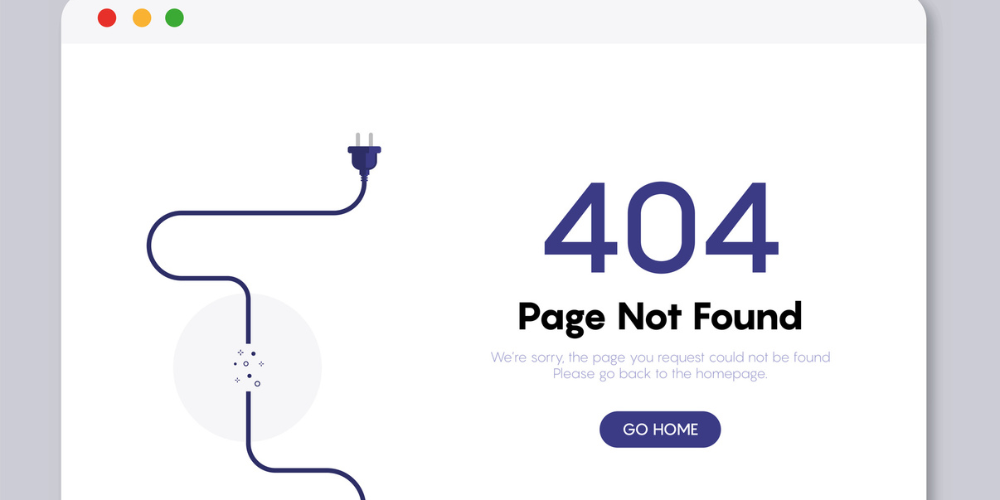
Broken links or missing pages
A link that leads nowhere or a page that does not load sends a clear signal that the site is not being maintained. It interrupts the experience and often ends the visit.
Confusing navigation or too many menu options
When everything feels equally important, nothing stands out. Customers should not have to think about where to click. If they do, you are already losing them.
No clear path to key information
If visitors have to search for your location, services, or product categories, the site is not doing its job. The most important information should be obvious and easy to access.
Mobile experience that’s hard to use
A large portion of your traffic is coming from mobile devices. If buttons are too small, pages load slowly, or text is hard to read, customers will not stick around.
These issues are common because they develop gradually. A page gets added here, a promotion stays up too long there, and before long, the site no longer reflects what is actually happening in store.
How These Issues Quietly Cost You Sales
The impact of these problems is not always obvious, which is why they persist. There is no alert that tells you a customer left because they could not find your hours. There is no notification when someone chooses a competitor because their website was easier to use.
But the effects are real.
Customers assume you are closed if hours are unclear or outdated.
They assume you do not carry what they need if product information is missing.
They lose confidence in your business if the site feels neglected.
In each case, the result is the same. They go somewhere else.
This is especially critical during peak seasons. Spring and early summer bring high intent customers who are ready to buy. If your website creates friction during that window, you are losing some of your most valuable traffic.
A well maintained website builds trust and makes decisions easy. A neglected one does the opposite. It introduces doubt at the exact moment you want customers to feel confident.
It becomes even more noticeable when you’re running ads, since you’re paying to bring people to your site, and if the experience doesn’t match what they expect, that traffic rarely turns into actual store visits.
Quick Fixes That Make an Immediate Difference
The good news is that many of these issues can be improved quickly. You do not need a full redesign to start seeing results.
Update hours and seasonal messaging regularly
Make it a habit to review your hours and key pages at the start of each season. Ensure that what customers see online matches what they will experience in person.
Simplify navigation
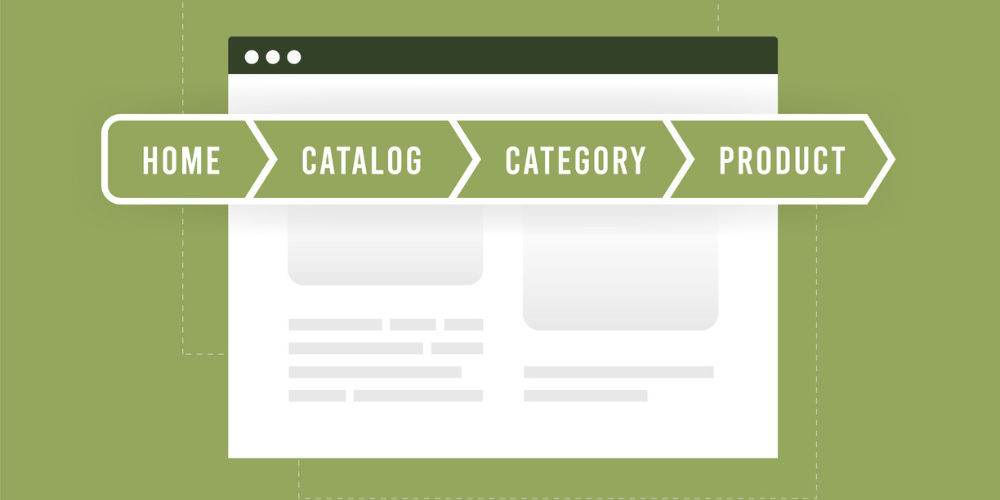
Focus on what customers care about most. Reduce unnecessary menu items and make key sections easy to find. Clarity always wins over complexity.
Add clear calls to action
Guide visitors toward the next step. Simple prompts like “Visit Us Today” or “See What’s In Store” help turn interest into action.
Ensure mobile usability
Test your site on a phone. If something feels awkward or slow, it needs attention. Mobile users expect a smooth experience.
These changes may seem small, but they remove friction. They make it easier for customers to get the information they need and move forward with confidence.
This is where having a simple, consistent approach to your website content helps, especially when you’re regularly updating pages with seasonal tips, product highlights, and timely information customers are already searching for.
When It’s Time for a Deeper Website Update
There comes a point where small fixes are not enough. Some websites have deeper issues that limit how effective they can be.
If your site has not been updated in years, it may no longer reflect your current business.
If it is difficult to edit, updates may be inconsistent or delayed.
If it does not match your branding or showcase your services clearly, it may be working against your positioning.
In these cases, it is worth stepping back and looking at the bigger picture. A website should be a flexible tool that evolves with your business, not something that becomes harder to manage over time.
This is where structured updates and, in some cases, professional support can make a difference. Investing in the right setup ensures that your site stays aligned with your operations and is easier to maintain moving forward.

Why Ongoing Website Maintenance Matters
A website is not a one time project. It needs regular attention to stay relevant.
Inventory changes.
Seasons shift.
Promotions rotate.
Your website should reflect all of that in real time. When it does, it becomes a reliable source of information for your customers. When it does not, it becomes a point of confusion.
Ongoing maintenance keeps everything aligned. It ensures that your hours are accurate, your messaging is current, and your content reflects what is happening in store.
For many garden centers, this is where consistent support becomes valuable. Whether handled internally or through garden center marketing services, regular updates prevent small issues from turning into bigger problems.
A Better Website Means Fewer Questions and More Customers
A strong website removes uncertainty. It answers questions quickly, builds trust, and makes it easy for customers to take the next step.
When your site is clear and up to date, it supports your business every day. It brings people in, reinforces your brand, and helps you make the most of your busiest seasons. When it is not, those same gaps create hesitation and missed opportunities.
If you are noticing these issues on your own site, it is worth taking action now. Start by reviewing the basics, then look at where improvements can have the biggest impact. If you want a second set of eyes, we offer a free consultation to walk through your website, identify what is holding it back, and outline practical next steps.
Fixing these garden center website mistakes does not have to be complicated. With the right updates and a clear plan, your website can start working for you instead of against you.