

A Practical Guide to Local SEO for Garden Centers
Local SEO for garden centers has become one of the most important factors influencing whether new customers discover a store at all. When someone types “garden center near me” into Google, only a handful of businesses appear at the top of the page. Those listings often determine where someone drives that afternoon.
Independent garden centers have long relied on loyal customers, strong community reputation, and word of mouth. Those strengths still matter. But many new gardeners begin their journey with a search engine. They might be looking for vegetable plants, potting soil, or advice on how to start their first garden. If your business does not appear in those results, the opportunity quietly goes to a competitor.
The encouraging news is that improving online visibility does not require complicated tactics. Consistent local SEO practices, a well maintained website, and useful content can significantly improve how often your store appears in search results. These improvements help Google understand your business and make it easier for nearby gardeners to discover you before the busy season begins.

How Google Decides Which Garden Centers Show Up First
Google’s goal is simple. When someone searches for something nearby, the search engine tries to recommend the most relevant and trustworthy businesses in that location. To do that, it evaluates several signals before deciding which stores appear at the top of the results.
One of the most important factors is an accurate and active Google Business Profile. This profile contains your store’s hours, phone number, address, photos, and customer reviews. When this information is complete and regularly updated, Google is more confident recommending your store to local searchers.
Location signals also play a major role. Google evaluates how closely a business matches the searcher’s location and the relevance of the business to the search phrase. If someone searches for “garden center near me,” Google will prioritize stores that are geographically close and clearly identified as garden centers.
Your website also contributes important information. Google scans the content of your site to understand what your business offers. Pages that mention plants, gardening supplies, seasonal advice, and store services help confirm that your business matches what the searcher is looking for.
Reviews provide another important credibility signal. Stores with frequent, positive reviews appear more trustworthy to both Google and potential customers. Reviews also contain real language from customers, which reinforces the relevance of your business.
Finally, consistency across the internet matters. If your store’s name, address, and phone number appear the same across directories, social platforms, and maps listings, Google sees the information as reliable. Even small discrepancies can weaken that trust.
The key takeaway is that Google is not favoring large companies over independent stores. It is simply rewarding businesses that provide clear, consistent, and helpful information online.
Your Website Is the Foundation of Local SEO
Many garden centers treat their website as a static brochure. It lists store hours, a short description of the business, and perhaps a few photos. While that may help customers who already know your store, search engines expect a little more.
Your website acts as the foundation of your online presence. It provides the structure Google uses to understand your business and connect it to relevant searches.
Clear location pages are especially important. Your site should make it easy for visitors and search engines to identify where your store is located. This includes visible addresses, maps, contact details, and directions.

Updated information is equally important. Seasonal hours, services offered, and current store details should always reflect reality. When Google sees accurate information across your website and Google Business Profile, it reinforces the credibility of your business.
Mobile friendliness has also become essential. A large portion of gardening searches now happen on smartphones while people are out running errands or planning their day. If your website loads slowly or is difficult to navigate on a mobile device, visitors often leave within seconds.
Page speed also affects rankings. Fast loading pages improve user experience and signal quality to search engines. Even small improvements such as optimized images or updated hosting can make a noticeable difference.
Navigation matters too. When a website has clear menus and organized content, both visitors and search engines can easily understand what the business offers. This clarity helps Google index pages properly and display them for relevant searches.
Routine website maintenance may not feel exciting, but it plays a major role in improving how often your garden center appears in local search results.
Why Blog Content Helps Garden Centers Get Found
One of the most effective ways to strengthen search visibility is through helpful blog content. Blog articles allow a garden center to answer real questions gardeners ask throughout the year.
Every season brings new searches. Gardeners want to know when to start seeds, how to protect plants from frost, or what vegetables grow well in their region. When your website provides clear answers to these questions, it becomes far more likely to appear in search results.
Local search phrases are particularly valuable. For example, someone might search for “when to plant tomatoes in Zone 5” or “best shade plants for spring.” When blog articles address these topics with practical advice, Google sees your website as a helpful resource.
Blog content also supports product discovery. A gardener reading an article about container gardening may learn about the types of soil, planters, and fertilizers they need. When those products are available in your store, the article naturally leads them to visit.
Consistent blog publishing also builds authority. Over time, a library of helpful articles signals to Google that your website is active and knowledgeable. This credibility increases the likelihood that your pages appear in search results.
From a garden center marketing perspective, blog content works quietly in the background. Each article becomes another entry point for customers discovering your business online.
Blog articles can also support other marketing channels. Many garden centers repurpose seasonal blog posts into newsletters that share planting advice, upcoming events, and product highlights with existing customers. When blog content and email marketing work together, it becomes much easier to stay connected with gardeners throughout the season. If you are exploring this approach, you can learn more about how email marketing supports garden center growth.
Local SEO Strategies for Multi Location Garden Centers
Garden centers with multiple stores face a slightly different challenge. Each location serves a unique community, and search engines need clear signals that connect each store to its surrounding area.
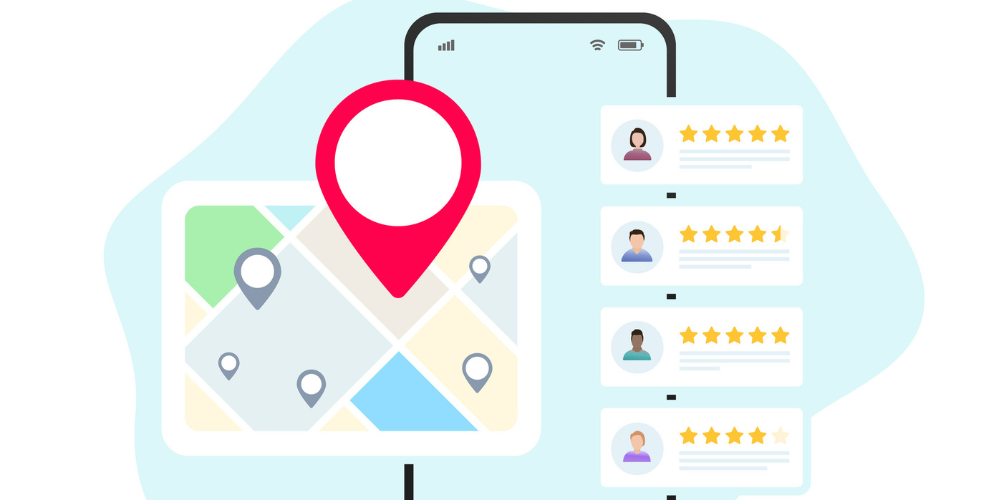
One of the most effective strategies is creating dedicated pages for each store location. Each page should include the address, hours, contact details, and directions for that specific store.
Unique content for each location also helps. Local events, regional gardening tips, or community partnerships can make each page more relevant to nearby customers.
Consistency across directories is especially important for multi location businesses. Listings in Google, Apple Maps, Yelp, and other directories should match the information on your website.
Reviews should also be monitored individually for each location. Encouraging satisfied customers to leave reviews helps strengthen credibility and visibility for each store.
Search visibility also improves when your online presence supports a clear and recognizable brand. When gardeners repeatedly see your store through helpful content, community involvement, and consistent messaging, they are far more likely to choose your location when searching for plants or gardening advice. Many garden centers strengthen this connection by focusing on building brand awareness within their local communities.
When each location is treated as its own local presence, search engines can more easily connect customers with the nearest store.
Website Maintenance That Keeps You Visible Year Round
Search visibility does not remain static. Websites that are regularly updated tend to perform better than those that remain unchanged for years.
Seasonal promotions and events provide natural opportunities for updates. Announcing workshops, plant arrivals, or special promotions keeps content fresh and signals activity to search engines.
Refreshing outdated pages also helps maintain relevance. Gardening advice evolves, product selections change, and seasonal information may need adjustments.
Technical upkeep matters as well. Broken links, missing images, or outdated plugins can quietly reduce the performance of a website.
Monitoring website performance allows garden centers to understand which pages attract the most visitors and where improvements can be made. Over time, small adjustments accumulate into meaningful improvements in visibility.
Consistent website maintenance ensures your business continues appearing in search results long after the initial work is completed.
What to Focus on Before the Busy Season Starts
As spring approaches, there are several practical steps garden centers can take to improve their online visibility.
Start by reviewing your store information. Ensure that your hours, phone numbers, and addresses are accurate across your website and Google Business Profile.
Publishing early season blog articles is another valuable step. Topics such as seed starting, early vegetable planting, or soil preparation often attract gardeners planning their spring projects.
Updating photos on your Google Business Profile can also help. Fresh images of the store, plants, and displays show customers that your business is active and welcoming.
Refreshing service pages ensures customers understand what your store offers. Landscaping advice, potting services, or plant guarantees should be clearly explained.
Finally, check that each location appears correctly in Google Maps. Accurate map placement makes it easier for customers to find your store when they are nearby.
These updates require modest effort but can make a significant difference once the busy season begins.
Visibility Online Leads to More Customers in Store
A strong online presence often determines whether new gardeners discover your store or drive past it without ever knowing it exists. The businesses that appear first in search results receive the majority of attention and traffic.
The good news is that improving visibility does not require complicated marketing tactics. When a garden center maintains its website, publishes helpful blog content, and keeps business listings accurate, it sends strong signals to search engines.
Over time, these efforts strengthen local SEO for garden centers, making it far more likely that nearby gardeners will discover your business when they search for plants, supplies, or advice.
If you need support improving your visibility, contact us to discuss how SEO and website updates can help your garden center attract more local customers.