
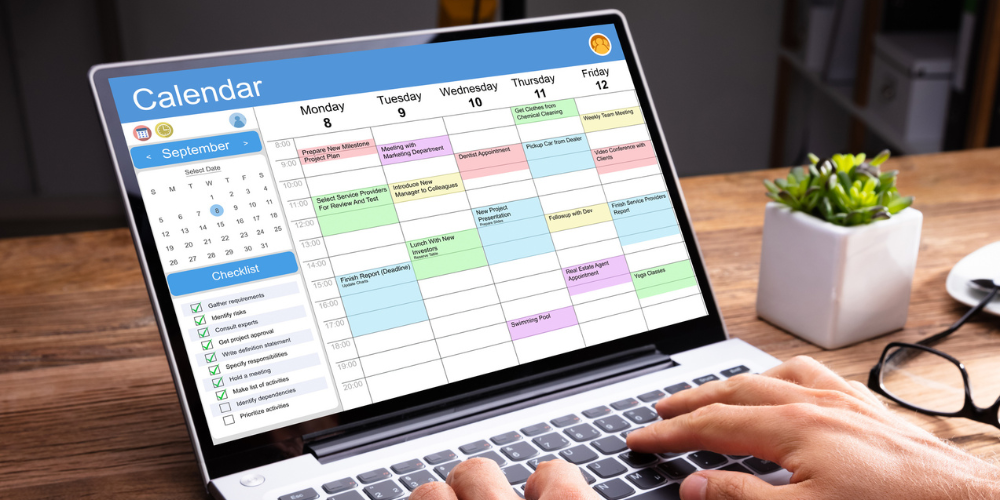
How to Build a Garden Center Content Calendar That Drives Sales
A garden center content calendar should do more than fill space on your social feed or email schedule. Too often, blogs go up because “it’s been a while,” emails get sent because “we need to stay in touch,” and social posts get published just to keep things moving. The result looks busy, but it rarely supports what actually matters most: sales.
Most garden centers don’t have a content problem. They have a focus problem. Content gets created in isolation from what’s happening on the floor, what’s coming in on the next shipment, or what customers are actively looking for that week.
A strong content calendar starts with a simple shift. Instead of asking what to post, you start asking what needs to sell right now, what customers need to know, and how your content can move them closer to a purchase.

Why Most Content Calendars Fall Short
It’s easy to stay active. It’s much harder to be intentional.
Many garden centers fall into a pattern where content is created on the fly. A quick plant feature here, a last-minute promo there, maybe a blog when someone has time. It keeps channels alive, but it rarely builds momentum.
The gap usually comes down to a few familiar issues.
Posting without a clear goal is one of the biggest. If a post doesn’t have a job, it doesn’t perform. Content ends up being nice to look at, but it doesn’t guide customers toward a decision.
Another common issue is content that isn’t aligned with inventory or promotions. A beautiful post about perennials doesn’t help much if your focus that week is on patio planters or vegetable starters. When content and inventory don’t match, opportunities get missed.
Seasonality is another area where calendars fall apart. Garden retail is built around timing, yet many content plans don’t reflect that. Spring hits, and suddenly there’s a scramble to catch up. Fall planting windows come and go without much support.
Then there’s the weekly guessing game. Teams sit down and try to figure out what to post with no clear structure. It leads to inconsistent messaging and a lot of wasted time.
Most owners and marketing teams recognize these patterns immediately. The issue isn’t effort. It’s a lack of structure that connects everything together.
A lot of these same issues show up on the website too, where outdated pages and unclear information can quietly turn customers away, something that comes up often when looking at common garden center website mistakes.

Start With What Drives Sales
A better content calendar starts with a simple foundation. You build it around what drives revenue.
Instead of starting with content ideas, you start with your selling priorities.
Look at your year in seasons. Spring rush, early summer, late summer, fall planting, and holiday. Each period has its own rhythm, customer mindset, and product focus.
Within those seasons, identify what matters most. High-margin items, overstock categories, new arrivals, and core staples. These should shape your content, not the other way around.
Promotions and in-store events also play a key role. If you’re planning a weekend sale or a seasonal event, your content should lead into it, support it, and extend it. That means blogs that educate, emails that drive urgency, and social posts that keep it visible.
This is also where paid support can strengthen your efforts, using Google and social ads to keep your key products and promotions in front of the right customers at the right time.
When content is built around these priorities, it starts to feel connected. Customers see a consistent message across channels, and your team knows exactly what they’re working toward.
This is where a lot of garden center marketing starts to click. You’re no longer creating content in isolation. You’re building a system that supports what’s happening in your business.
Build Content Around the Customer Timeline
Customers don’t shop the same way throughout the season. Their needs change, and your content should reflect that.
Early in the season, customers are looking for ideas. They’re planning their gardens, thinking about layouts, and getting inspired. This is where blogs and social content can focus on design ideas, plant combinations, and project planning.
As the season moves forward, customers start looking for specifics. What should they plant now? What’s available? How do they care for it? This is where product-focused content becomes more important. Availability, tips, and practical advice start to matter more than inspiration.
At peak season, timing becomes everything. Customers are ready to buy, but they need a reason to act now. Promotions, limited-time offers, and reminders become key. Content should create urgency without feeling forced.
Later in the season, the focus shifts again. Clearance, transitions, and preparing for the next phase take over. This is where content can help move remaining inventory while setting the stage for what’s next.
When your content follows this natural progression, it feels more relevant. Customers see the right message at the right time, and your calendar starts working with their behavior instead of against it.
Turn One Idea Into Multiple Pieces of Content
One of the biggest challenges for garden centers is time. There’s always more to do than hours in the day.
That’s why a good content system focuses on getting more out of what you already create.
A single blog post can do a lot of heavy lifting. It can become the foundation for an email newsletter, a series of social posts, and even in-store signage ideas.
For example, a blog about container gardening can turn into a weekly email featuring key tips, a set of short social posts highlighting specific plants, and a quick promo tied to planters and soil.
This approach does two things. It reduces the pressure to constantly come up with new ideas, and it keeps your messaging consistent across channels.
Customers don’t just need to see something once. They need to see it a few times, in slightly different ways, before it sticks.
Repurposing content helps make that happen without doubling your workload.

Create a Simple, Repeatable Calendar System
A content calendar doesn’t need to be complicated to be effective.
In fact, the simpler it is, the more likely it is to get used consistently.
Start with monthly themes tied to your seasons or promotions. For example, early spring might focus on soil prep and early planting. Mid-spring could shift to annuals and containers. Late spring might highlight vegetable gardens and outdoor living.
Within each month, build a basic weekly structure. You might have a feature product at the start of the week, a helpful tip midweek, a promotion closer to the weekend, and a reminder or recap at the end.
If you’re working with a team, assign clear responsibilities. Who’s writing blogs, who’s sending emails, who’s handling social. This avoids confusion and keeps things moving.
The goal isn’t perfection. It’s consistency. A simple system that gets followed will always outperform a complex one that gets ignored.
Plan for Inventory and Real-Time Adjustments
Garden retail is never static. Weather shifts, shipments change, and customer demand can move quickly.
A good content calendar leaves room for that reality.
If a product suddenly sells out, your content should adjust. If you have too much of something, that becomes an opportunity to highlight it. Fast-moving items can be pushed harder, while slower ones can be supported with education or promotions.
Weather also plays a big role. A warm stretch in early spring can accelerate demand. A cold snap can slow things down. Your content should respond to those changes instead of sticking rigidly to a plan.
This is where flexibility matters. The calendar gives you structure, but it shouldn’t lock you in.
The best systems balance planning with the ability to adapt.

Measure What’s Actually Working
Content should lead to results, not just activity.
You don’t need complex analytics to see what’s working. A few simple metrics can go a long way.
Email engagement is a good starting point. Open rates and clicks can tell you what topics are resonating. If certain products or themes consistently get attention, that’s a signal to lean into them.
Social posts can show you what drives interaction. Which posts get saved, shared, or commented on. These patterns help you understand what your audience cares about.
Website traffic is another piece. Blogs that bring in visitors or lead to product views are worth repeating in different forms.
The key is to look for patterns, not just one-off results. Over time, this helps you refine your calendar and make better decisions.
Make Your Content Work for Your Business
A content calendar should guide customers toward a purchase, not just fill space. When it’s built around your seasons, your inventory, and your customers’ needs, it becomes a practical tool that supports daily operations and long-term growth.
The difference is clear. Instead of reacting week to week, you’re working with a plan that connects your blogs, emails, and social content into a system that drives results. That’s what a garden center content calendar is meant to do.
If your content feels disconnected from what you’re actually trying to sell, it’s worth taking a step back and building a system that works for your store. If you want help putting that together, you can get in touch here and start a conversation about what makes sense for your business.