

Digital marketing for garden centers has become increasingly complicated, with new social media trends, changing algorithms, and emerging platforms constantly competing for attention. One week, everyone is talking about short videos. The next, there’s a new content format promising better engagement. For independent garden center owners already managing inventory, staff, seasonal promotions, and customers, keeping up with it all can feel like another full time job.
The pressure to stay visible online is understandable. Customers are searching for gardening advice, discovering new plants through social media, and checking store updates before visiting. A strong online presence helps garden centers connect with those customers, but maintaining that presence doesn’t require participating in every trend.
In fact, trying to do too much can have the opposite effect. Social accounts become inconsistent, newsletters get pushed aside, and valuable educational content never gets written because the team is busy experimenting with the latest platform.
The garden centers that build meaningful online relationships aren’t necessarily the ones posting the most. They’re the ones who understand their customers, choose their marketing channels carefully, and consistently share information that gives people a reason to return.
The Difference Between Following Trends and Staying Relevant
Trends can be useful marketing opportunities, but they shouldn’t determine your entire content strategy.
A popular social media format might generate thousands of views in a few days, but those views mean little if they don’t reach people who might actually visit your garden center. On the other hand, a practical video explaining how to protect tomato plants from an unexpected frost might reach fewer people while generating more relevant engagement from local gardeners.
The difference comes down to attention versus value.
Following trends focuses on what is currently popular. Staying relevant means understanding what your customers need and delivering content that helps them make decisions.
When Trends Make Sense for Garden Centers
Some trends naturally fit the gardening industry, particularly those involving seasonal activities, visual demonstrations, and practical advice.
For example:
- A short video showing how to assemble a colourful spring container can attract gardeners preparing their patios.
- A popular video format featuring newly arrived perennials can introduce customers to plants available in your greenhouse.
- A seasonal gardening challenge encouraging customers to grow herbs can create opportunities for community participation.
- A behind the scenes video of staff preparing the greenhouse for spring can help customers feel connected to your business.
These ideas work because they combine an engaging format with something genuinely relevant to your customers.
Compare that with spending hours recreating a viral dance or unrelated comedy trend simply because other businesses are doing it. Even if the video performs well, the attention may have little connection to gardening, your local community, or purchasing decisions.
Before participating in a trend, consider three things: whether your customers will care, whether it supports a business goal, and whether your team can execute it without sacrificing more important work.
A trend that meets all three criteria may be worth trying. Otherwise, your time is probably better spent elsewhere.
Choosing the Right Platforms for Your Garden Center
One of the most common marketing mistakes is assuming that a business needs to be active on every major platform.

For garden centers, choosing the right channels begins with understanding how customers discover plants, research gardening problems, and decide where to shop.
A garden center serving established homeowners may find that Facebook and email generate strong engagement. Another business attracting younger houseplant enthusiasts may see better results from Instagram or TikTok.
Neither approach is automatically better. What matters is whether the platform connects your business with the people you want to reach.
Facebook: Connecting With Local Gardening Communities
Facebook can be particularly useful for garden centers that want to maintain relationships with local customers.
It’s well suited for sharing upcoming workshops, seasonal promotions, community events, and gardening advice. Customers can comment with questions, tag friends, and share posts with local gardening groups where group rules permit.
For example, a garden center could post a reminder about an upcoming frost, explain which plants need protection, and invite customers to visit for appropriate supplies.
That type of content provides immediate value while encouraging relevant conversations.
Instagram: Showcasing Plants and Inspiring Gardeners
Gardening is highly visual, making Instagram a natural fit for plant retailers.
Photos and Reels can showcase colourful annuals, new houseplants, container combinations, and seasonal displays. Short educational videos also work well for demonstrating pruning techniques, repotting methods, or simple garden projects.
Rather than posting attractive plant photos without context, add information customers can use.
A photo of a blooming hydrangea becomes more valuable when the caption explains its light requirements, mature size, and suitable growing conditions.
TikTok: Reaching Customers Through Short Educational Videos
TikTok can be worth exploring for garden centers that have the time and resources to create engaging video content.
Quick plant care demonstrations, common gardening mistakes, plant identification videos, and staff recommendations can all work well in this format.
However, TikTok shouldn’t become a priority simply because it’s popular.
If your existing customers aren’t active there, or your team struggles to produce videos consistently, another platform may provide a better return on your effort.
Google Business Profile: Helping Nearby Customers Find You
Unlike social media, Google Business Profile supports customers who are actively searching for a place to shop.
Someone looking for a garden center nearby may want directions, operating hours, photos, reviews, or contact information before visiting.
Keeping your profile accurate is essential, especially when business hours change between spring, summer, and winter.
Update seasonal hours, respond to reviews, maintain current photos, and make sure your business information is consistent.
This is one of the most practical ways to support local discovery without constantly creating new social media content.
Email Marketing: Staying Connected Beyond Social Media
Email offers something social platforms cannot guarantee: a direct way to reach customers who have chosen to hear from your business, without depending entirely on whether an algorithm displays your post.
Garden centers can use email to share seasonal gardening reminders, upcoming workshops, new arrivals, and relevant promotions.
For example, customers who attended a spring container workshop might appreciate a summer email explaining how to water, fertilize, and maintain their arrangements.
Email helps continue the relationship after the original purchase.
The goal isn’t to use every platform. It’s to identify two or three channels your team can manage consistently, while keeping essential business information accurate wherever customers search for you.
Focus on Content That Delivers Long Term Value
Trends come and go, but gardeners continue asking many of the same questions year after year.
They want to know when to plant vegetables, how to improve soil, why leaves are turning yellow, and which plants will thrive in their growing conditions.
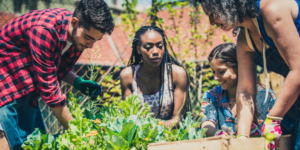
Answering those questions creates opportunities to attract customers long after a social media trend has disappeared.
A sustainable content strategy should combine educational blogs, useful social media posts, and timely email newsletters.
Educational Blogs: Build a Library of Gardening Knowledge
Blogs give garden centers space to explain gardening topics in greater detail than a social media caption allows.
A well written article about choosing perennials for clay soil, for example, can cover soil drainage, plant selection, planting techniques, and ongoing maintenance.
That information can help customers make more confident purchases while establishing your garden center as a knowledgeable local resource.
Useful blog topics include:
- When to plant vegetables in your local growing region
- How to choose shrubs for sun, shade, or challenging soil
- Common causes of yellowing houseplant leaves
- How to prepare garden beds for winter
- Choosing native plants that support local pollinators
Blogs also create opportunities for organic search visibility when their content matches what customers are searching for.
Location specific information is particularly valuable. Gardening conditions vary considerably across the United States and Canada, so advice about planting dates, winter protection, and plant hardiness should reflect your region.
An article about overwintering lavender in Iowa, for example, needs different considerations from one written for coastal British Columbia.
Social Media: Make Gardening Advice Easy to Discover
Social media works best when it makes useful information accessible and encourages customers to interact with your business.
You don’t need elaborate productions to create worthwhile posts.
A staff member demonstrating how to check whether a container needs watering can be more useful than a heavily edited video with no educational value.
Consider featuring your team’s expertise through regular content such as plant recommendations, answers to customer questions, and seasonal gardening demonstrations.
New arrivals and greenhouse preparations also give followers a reason to visit and see what’s available.
The key is to connect inspiration with practical information.
Email Newsletters: Give Customers a Reason to Return
Email newsletters can bring educational content, promotions, and events together in one convenient message.
A useful newsletter might include a timely gardening tip, a featured plant, and an upcoming workshop.
For example, an early autumn email could explain which perennials benefit from fall planting, highlight suitable varieties available in store, and promote a weekend planting demonstration.
This gives customers something useful even if they aren’t ready to buy immediately.
Over time, consistent newsletters help your business remain familiar throughout the gardening season and beyond.
Make One Piece of Content Work Across Multiple Channels
Creating separate content for every marketing platform takes time. A more efficient approach is to develop one strong educational topic and adapt it for different channels.
Suppose your garden center publishes a blog titled “How to Prepare Your Garden for the First Frost.”
That single article could become:
- An Instagram Reel demonstrating how to cover tender plants properly
- A Facebook post listing frost protection priorities
- A carousel explaining which plants are most vulnerable
- An email newsletter linking to the full guide and highlighting frost protection supplies
Each format serves a different purpose while sharing the same core information.
This approach helps your team maintain consistency without constantly starting from scratch.
Build a Sustainable Content Strategy Around the Gardening Calendar
Garden centers have an advantage that many other retailers don’t: their customers’ needs follow a relatively predictable seasonal cycle.
While exact timing varies by region, gardeners generally move through familiar stages of planning, planting, maintaining, harvesting, and preparing for colder weather.
Your marketing calendar can follow those needs instead of reacting to whatever happens to be trending online.
Spring: Help Customers Plan and Plant
Spring content should address the questions customers have as they prepare for the growing season.
Focus on seed starting, soil preparation, plant selection, frost dates, and container gardening.
This is also a good time to promote workshops, new plant arrivals, and gardening supplies.
A garden center could publish a spring planting guide several weeks before its typical last frost date, then share shorter reminders as planting conditions become suitable.
Summer: Support Garden Maintenance
During summer, customers often need help keeping their gardens healthy.
Useful topics include watering practices, mulching, pest identification, container maintenance, and managing heat stress.
A short video showing how to check soil moisture before watering can help customers avoid overwatering or underwatering their plants.
Email newsletters can highlight practical maintenance supplies and encourage customers to return for plants that provide additional seasonal colour.
Fall: Encourage Planting and Garden Preparation
Fall offers opportunities to discuss perennial planting, spring flowering bulbs, leaf composting, soil improvement, and winter preparation.
Garden centers can also explain why autumn is suitable for establishing certain trees and shrubs in many regions, provided planting occurs early enough for root establishment and soil conditions remain workable.
This is a useful season for educational blogs because many customers are uncertain about what should be cut back, protected, or left standing for wildlife.
Winter: Keep Customers Engaged Indoors
Winter doesn’t have to mean disappearing from customers’ inboxes and social feeds.
Houseplant care, indoor growing conditions, seed starting plans, and gardening projects can keep your audience engaged.
Topics such as managing dry indoor air, adjusting watering during lower light conditions, and identifying common houseplant pests offer practical value.
Winter is also an opportunity to promote indoor gardening supplies and early registration for spring workshops.
Plan Ahead Without Eliminating Flexibility
A content calendar shouldn’t be so rigid that you miss useful opportunities.
Plan major topics several weeks ahead, particularly educational blogs and seasonal email campaigns. Leave space for unexpected weather, new plant arrivals, local events, or trends that genuinely interest your customers.
Review which topics performed well in previous years and update them when necessary.
An existing article about spring pruning may only need revised recommendations, improved photographs, and updated links rather than a complete rewrite.
Reusing valuable content isn’t cutting corners. It’s making better use of work you’ve already invested in.
Measure What Matters Instead of Chasing Likes and Views
A social media post receiving thousands of views can feel like a marketing success, but popularity alone doesn’t tell you whether it helped your business.
For garden centers, meaningful results often involve customers taking actions that bring them closer to visiting, purchasing, or returning.
A video with 500 views that leads to several workshop registrations may be more valuable than one with 20,000 views from people who live nowhere near your store.
The right measurements depend on what you want your marketing to accomplish.
Website Traffic and Organic Search
Review which blog posts attract visitors through search engines and whether those visitors engage with other parts of your website.
For example, an article about shade loving perennials may attract people looking for planting advice. If those readers continue to your plant selection pages or store information, the article may be supporting customer discovery.
Tools such as Google Search Console and Google Analytics can help you understand search visibility and website behaviour.
Email Engagement
Email performance can reveal which topics interest your subscribers.
Pay attention to clicks, workshop registrations, website visits, and purchases connected to your campaigns where tracking is available.
Open rates can provide some directional information, but privacy features can make them less reliable than clicks and other actions.
If seasonal care tips consistently generate strong engagement, consider making them a regular newsletter feature.
Workshop Registrations and Customer Inquiries
For garden centers offering workshops or events, registrations provide a clear way to evaluate promotional efforts.
Track which emails, social posts, and website pages lead to signups.
Customer inquiries are another useful signal. Questions about product availability, planting advice, or upcoming events can indicate that your content is reaching interested shoppers.
Sales and Store Visits
Connecting marketing directly to in store sales isn’t always straightforward, but there are ways to gather useful information.
You might use campaign specific discount codes, track online purchases, or ask customers how they heard about a workshop or promotion.
Compare results over time rather than relying on one successful post.
A monthly review can help identify which channels consistently contribute to meaningful business outcomes.
A Simple Framework for Deciding Which Trends Are Worth Following
Before investing time in a new platform, content format, or marketing trend, use a simple evaluation process.
Not every opportunity deserves a detailed marketing plan. Sometimes a few practical questions are enough to determine whether something is worth pursuing.
Trend Evaluation Checklist
☐ Does it reach the right customers?
Consider whether the audience includes local gardeners and potential shoppers, not just a large number of viewers.
☐ Does it fit our business?
The trend should connect naturally with your plants, expertise, services, or community.
☐ Does it support a clear objective?
Decide whether the goal is awareness, website visits, workshop registrations, inquiries, or sales.
☐ Can our team realistically manage it?
Account for planning, filming, editing, posting, and responding to customers.
☐ Can we measure whether it worked?
Identify a useful result before committing time or money.
If a trend passes these checks, start with a small experiment.
For example, try three short educational videos over several weeks rather than immediately committing to daily video production. Compare the results with your existing content and consider whether the additional effort is justified.
If the experiment generates useful engagement, customer inquiries, or measurable sales opportunities, it may deserve a larger role in your strategy.
If it doesn’t, move on without feeling obligated to continue.
Choosing not to follow a trend can be just as strategic as participating in one.
Stay Consistent, Stay Useful, Stay Relevant
Successful online marketing doesn’t require garden centers to be everywhere, produce endless content, or change direction whenever a new trend appears.
It requires understanding what customers need, choosing channels that reach them, and sharing information that helps them become more confident gardeners.
Educational blogs can answer important questions and attract people searching for advice. Social media can introduce customers to your plants, staff, and expertise. Email newsletters can maintain those relationships and encourage repeat visits.
When these channels work together, your marketing becomes easier to manage and more useful to customers.
Start by reviewing your current marketing efforts. Identify the platforms that generate meaningful engagement, the content customers consistently respond to, and the activities that consume time without producing clear results. Then focus your resources where they can make the greatest difference.
At DIG Digital, we understand the challenges independent garden centers face when balancing daily operations with online marketing. We help garden centers develop practical strategies through educational blogs, social media planning, and email content that supports their business goals without overwhelming their teams. If you’re ready to simplify your approach to digital marketing for garden centers, connect with DIG Digital and let’s focus on the marketing that matters most to your business.